While the urge to tackle household problems yourself is commendable, some issues, like mold, require a careful and informed approach. Many homeowners underestimate the complexities of mold remediation, leading to common mistakes that can worsen the problem or even pose health risks. Understanding these pitfalls can save you time, money, and stress in the long run. At North Star Moisture Solutions LLC, we often see the consequences of DIY efforts gone awry, highlighting the importance of proper techniques and professional insight.
Ignoring the Underlying Moisture Source
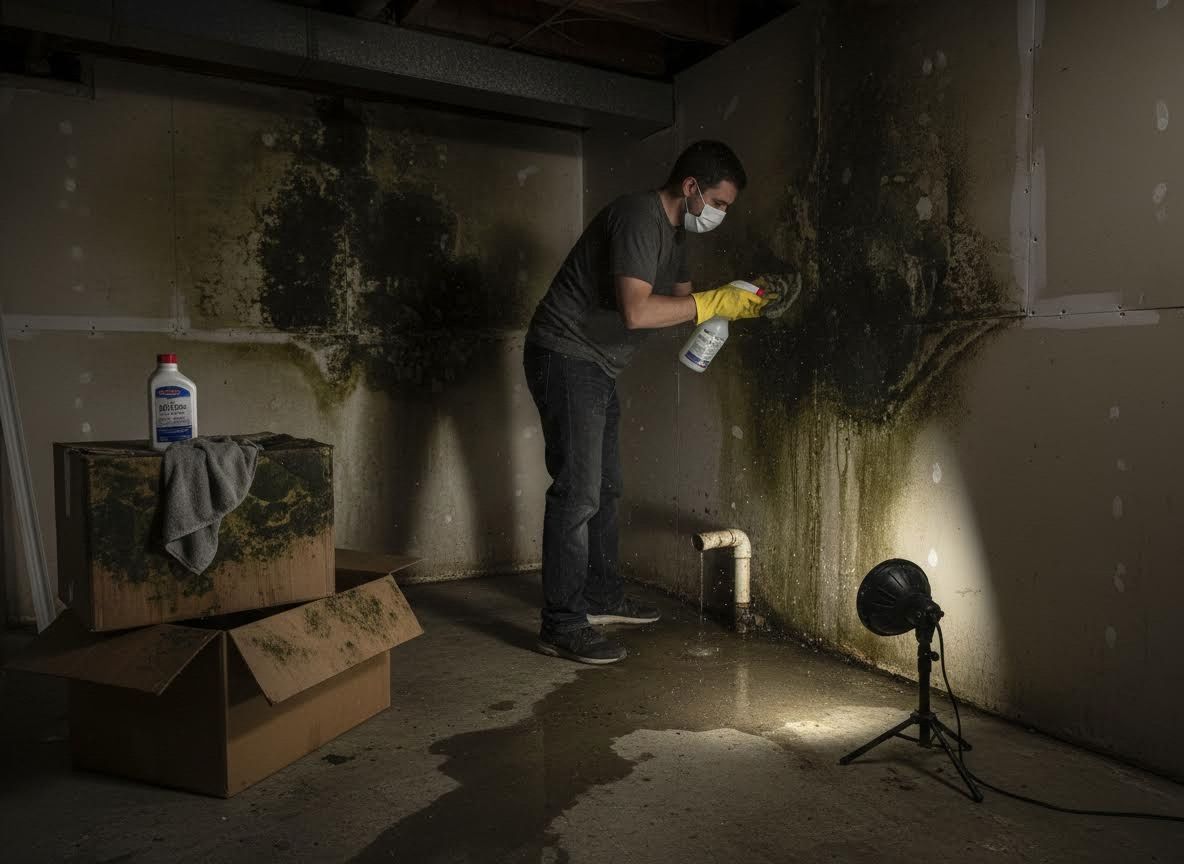
One of the most significant errors in DIY mold removal is addressing only the visible mold growth without identifying and rectifying the root cause of the moisture. Mold is a symptom of a larger moisture problem, whether it's a leaky pipe, poor ventilation, a damp basement, or a compromised roof. Simply scrubbing away the mold without fixing the leak or humidity issue is like treating a fever without addressing the infection – the problem will inevitably return. Effective mold remediation must begin with a thorough inspection to pinpoint and eliminate the source of water or dampness, ensuring the affected area can dry out completely.
Inadequate Protection and Containment
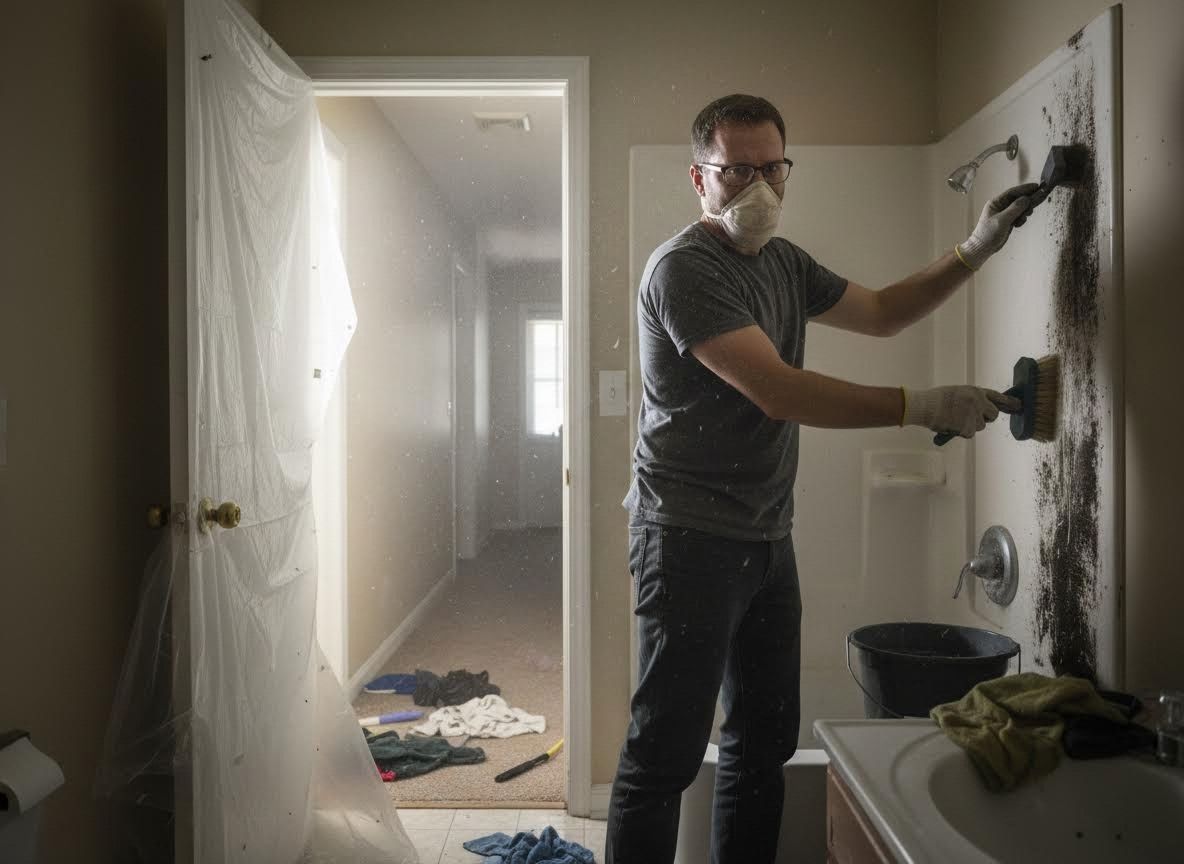
Mold spores are microscopic and can easily become airborne, spreading to other areas of your home or being inhaled. Attempting DIY mold removal without proper personal protective equipment (PPE) like N-95 respirators, gloves, and eye protection can expose you to spores, potentially leading to respiratory issues, allergic reactions, or other health concerns. Furthermore, failing to contain the affected area – for example, by sealing off doorways with plastic sheeting and using negative air pressure if possible – can inadvertently spread spores throughout your home, turning a localized problem into a widespread infestation.
Using Ineffective or Harmful Cleaning Agents
Many people immediately reach for bleach when they discover mold, believing it to be the ultimate solution. However, bleach is often not effective on porous surfaces like drywall, wood, or fabrics, as it primarily cleans the surface while the mold roots remain embedded and can regrow. Moreover, using bleach in poorly ventilated areas can create hazardous fumes. Other cleaning agents may also be ineffective or even damage materials. The most effective approach for surface mold is often a solution of detergent and water, followed by thorough drying, but this only addresses surface growth and requires the moisture source to be resolved.
Underestimating the Extent of the Problem
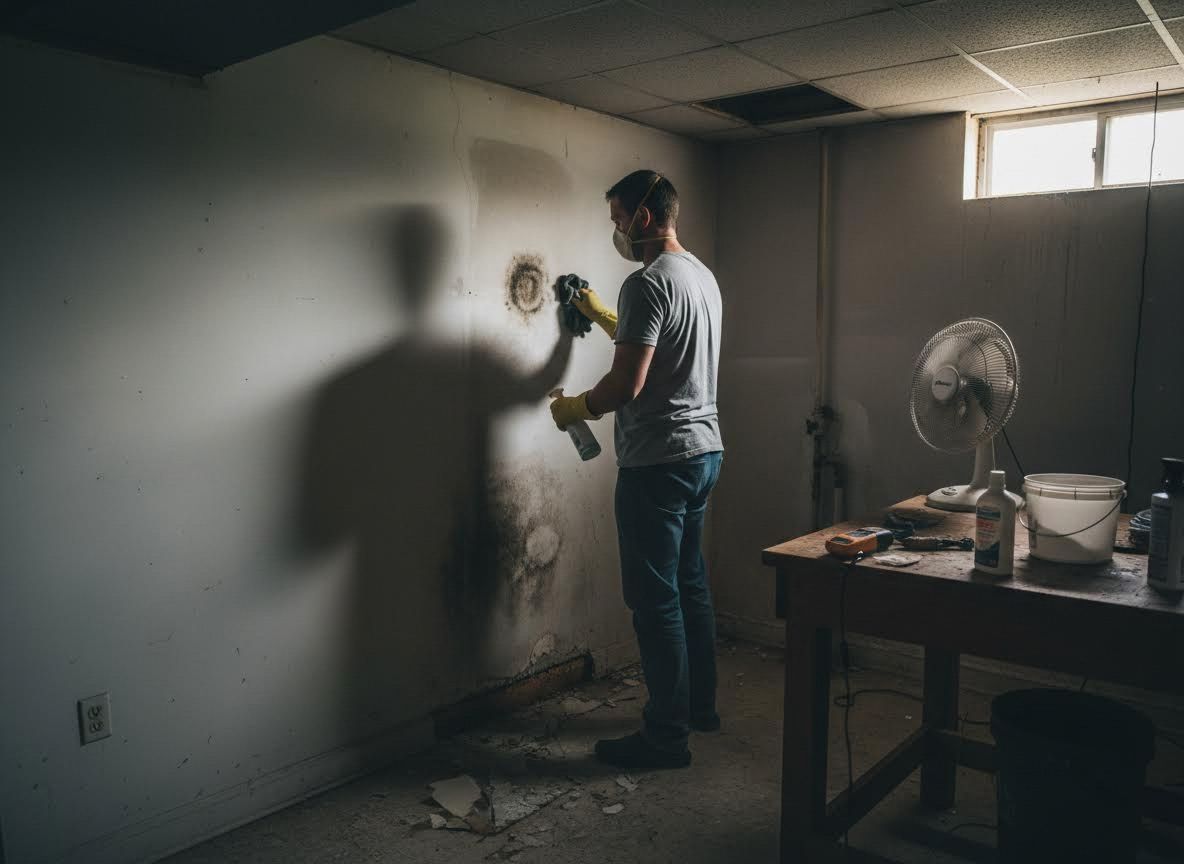
What you see on the surface might only be the tip of the iceberg. Mold often thrives in hidden areas, behind walls, under flooring, or in attics and crawl spaces where moisture has accumulated. A small patch of visible mold could indicate a much larger, unseen colony. DIYers frequently clean visible mold and believe the problem is solved, only for the mold to reappear or for new growth to emerge elsewhere. A thorough assessment, sometimes requiring specialized equipment like moisture meters or thermal cameras, is crucial to determine the full scope of the infestation before any remediation efforts begin.
Navigating mold issues can be challenging, and while some minor surface mold might be manageable with careful DIY efforts, many situations require a more comprehensive approach. Overlooking crucial steps like identifying the moisture source, using proper containment, or accurately assessing the problem's extent can lead to persistent issues and potential health risks. If you're facing a mold problem and are unsure about the best course of action, understanding the complexities involved is the first step toward a healthier home environment. For detailed insights into professional mold assessment and effective solutions, consider exploring our resources at North Star Moisture Solutions LLC.