Seasonal changes often bring delightful transformations to our environment, but they can also usher in a silent, destructive force: moisture damage. From the persistent rains of spring to the humid days of summer and the melting snows of winter, each season presents unique challenges that can compromise the integrity of your property. Understanding how to identify and prevent these issues is crucial for maintaining a healthy and safe living or working space, and at North Star Moisture Solutions LLC, we're dedicated to helping you navigate these seasonal shifts with confidence.
Understanding Seasonal Moisture Risks
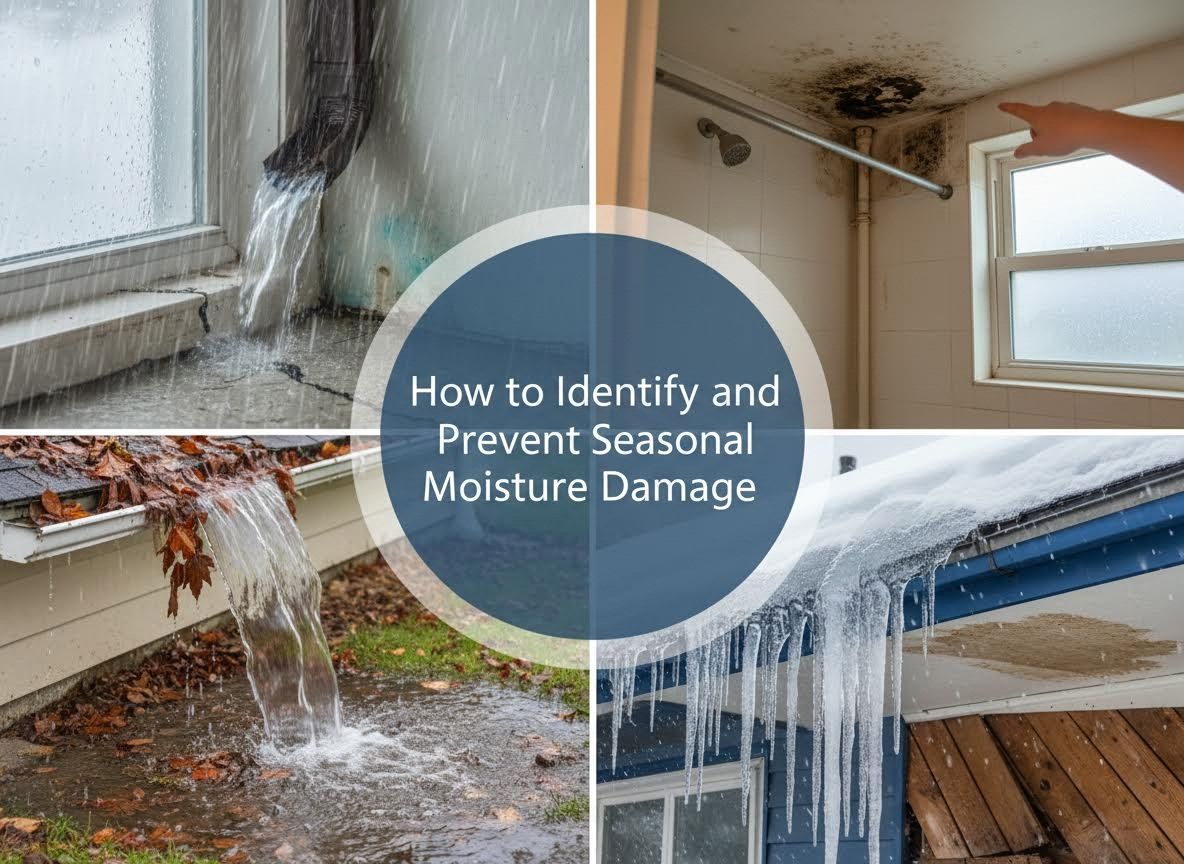
Moisture damage isn't a year-round constant; its causes and intensity often fluctuate with the seasons. Spring often brings heavy rainfall and rising water tables, leading to basement flooding or foundation issues. Summer's high humidity levels can foster mold growth in poorly ventilated areas and lead to condensation problems. Fall introduces falling leaves that can clog gutters, causing water to overflow and seep into foundations or behind siding. Finally, winter's snow and ice accumulation, followed by thawing, can create ice dams on roofs, leading to leaks, and put immense pressure on drainage systems as meltwater tries to escape. Each season demands specific attention to mitigate its particular moisture-related risks.

Key Signs You Have a Moisture Problem
Identifying moisture damage early is key to preventing more extensive and costly repairs. Look out for these tell-tale signs. Visually, you might notice water stains or discoloration on walls, ceilings, or floors. Peeling paint or wallpaper, especially near the baseboards or ceiling, can also indicate moisture intrusion. Another common sign is warped wood, such as buckling floors or bulging drywall. Beyond visual cues, pay attention to your sense of smell. A persistent musty or earthy odor, particularly in basements or enclosed spaces, often points to mold or mildew growth, which thrives in damp conditions. Condensation on windows or pipes can also signal high indoor humidity, a precursor to moisture problems.

Proactive Prevention Strategies
Preventing seasonal moisture damage involves a combination of regular maintenance and smart property management. Start by ensuring your gutters and downspouts are clear of debris and are directing water at least several feet away from your foundation. Check your roof for damaged or missing shingles before rainy or snowy seasons. Improve ventilation in attics, basements, and crawl spaces to reduce humidity and prevent condensation. Sealing cracks in your foundation, around windows, and door frames can also block water entry. For areas prone to excess moisture, consider using dehumidifiers. Landscaping also plays a role; ensure the ground around your property slopes away from the foundation to promote proper drainage, preventing water from pooling against your walls.
Protecting Your Property Year-Round
Staying vigilant and proactive about seasonal moisture is not just about avoiding immediate damage; it's about safeguarding the long-term health and value of your property. By understanding the unique challenges each season presents and knowing how to spot the early warning signs, you can take timely action to prevent minor issues from escalating into major problems. For comprehensive assessments and effective strategies tailored to your specific needs, learning more about professional moisture management services can provide invaluable peace of mind. Investing in prevention now can save you significant time, money, and stress down the line, and at North Star Moisture Solutions LLC, we're here to help you protect your investment.