
Hidden moisture can be a silent adversary, often causing significant damage before its presence is overtly known. Recognizing the subtle indicators of water intrusion and excessive dampness is crucial for maintaining a healthy and structurally sound home. At North Star Moisture Solutions LLC, we understand the long-term impact that unaddressed moisture can have, from compromised air quality to foundational issues. Proactive identification allows homeowners to address problems early, preventing more extensive and costly repairs down the line.
Visible Clues and Aesthetic Deterioration
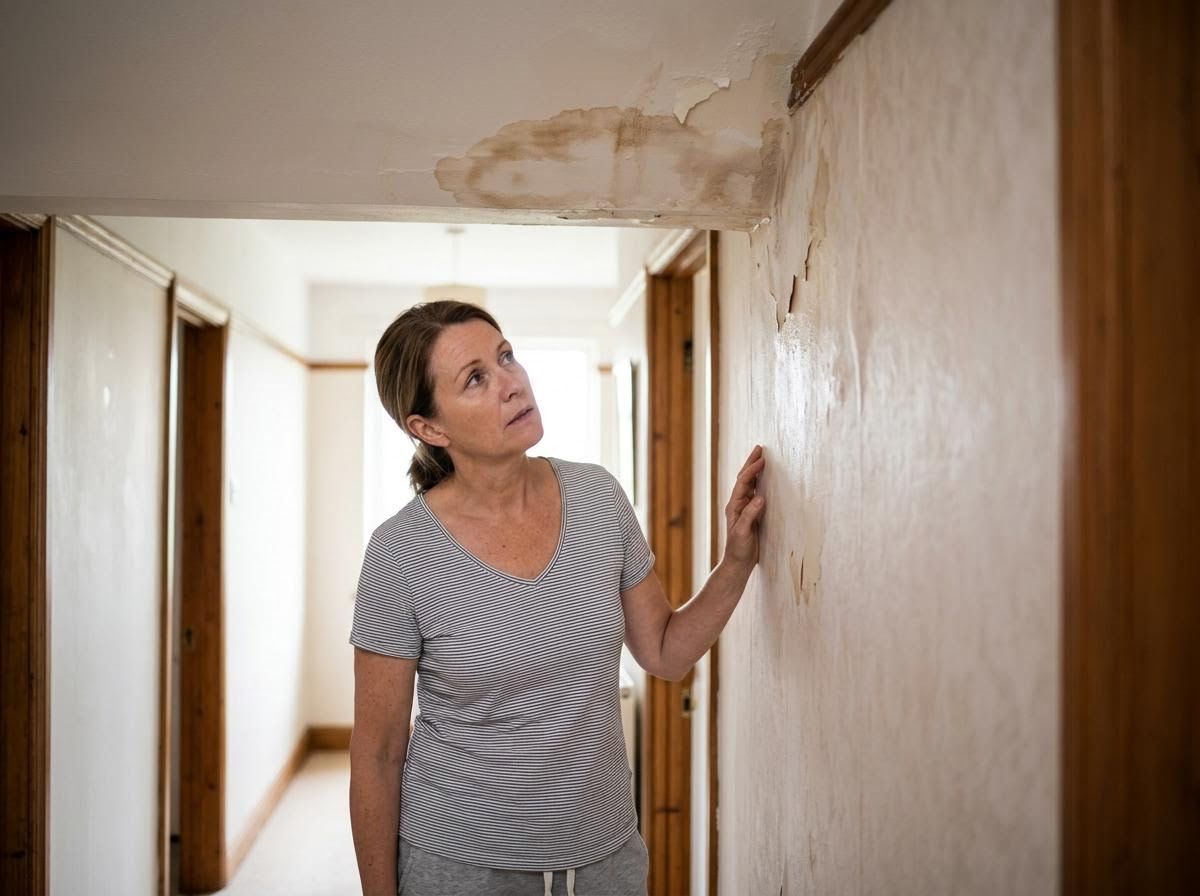
One of the most straightforward ways to detect a hidden moisture problem is through visual observation of your home's surfaces. Keep an eye out for discolored patches, water stains, or peeling paint and wallpaper, especially in areas like ceilings, walls, or around windows and doors. Wood elements, including flooring, trim, and structural beams, may begin to warp, buckle, or rot. Even small, isolated spots of mold or mildew, which can appear as fuzzy, green, black, or white growth, are definitive signs that moisture is present and fostering microbial activity. These visible changes often point to leaks in the roof, plumbing, or issues with exterior drainage.
Musty Odors and Indoor Air Quality Shifts
Sometimes, you can smell a moisture problem before you see it. A persistent musty, earthy, or damp odor, particularly in basements, crawlspaces, or attics, is a strong indicator of excess humidity and potential mold growth. This smell is often a byproduct of microbial volatile organic compounds (MVOCs) released by mold and bacteria. Beyond the unpleasant smell, elevated moisture can also lead to a decline in indoor air quality, potentially exacerbating allergies, asthma, and other respiratory issues for household occupants. If you or your family members experience unexplained increases in allergy-like symptoms, it might be tied to hidden dampness.
Physical Signs and Structural Stressors
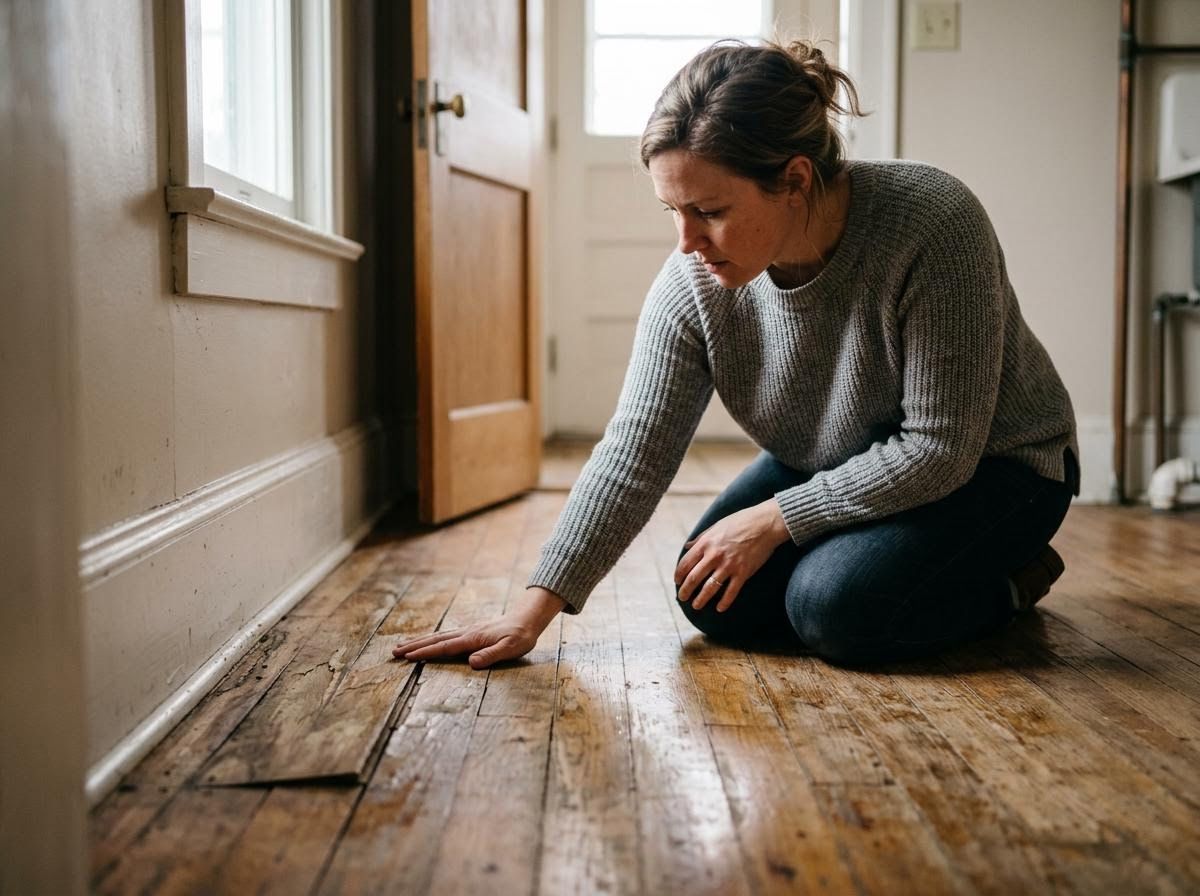
Beyond what you can see and smell, physical manifestations can also signal a hidden moisture issue. Surfaces that feel consistently damp or clammy to the touch, or an unexplained increase in indoor humidity levels, suggest moisture is evaporating into the air from a hidden source. Condensation on windows, pipes, or other cold surfaces can also be a symptom of high indoor humidity. In more severe cases, chronic moisture can compromise structural integrity, leading to sagging floors, sticking doors or windows as frames swell, or even cracks in foundations. These are critical signs that demand immediate attention, as they indicate that moisture is affecting the very bones of your home.
Recognizing the subtle yet significant signs of hidden moisture problems is the first step toward safeguarding your home and your health. Ignoring these indicators can lead to escalating damage, from extensive mold growth to serious structural compromises. If you observe any of these warning signs, gathering more information about effective solutions like waterproofing, dehumidification, or vapor barriers can provide lasting peace of mind.