Basements are notorious for their damp environments, often leading to issues like mold growth, musty odors, and damage to stored items. A reliable basement dehumidifier is your first line of defense against these problems, transforming a clammy space into a comfortable, healthy one. Understanding which unit is right for your home can seem daunting, but with the right guidance, you can make an informed decision. At North Star Moisture Solutions LLC, we know that effective moisture control starts with the right tools.
Assessing Your Basement's Moisture Level and Size
The first step in choosing a dehumidifier is to accurately assess the conditions in your basement. Consider both its size (square footage) and its typical moisture level. Is your basement perpetually damp, or does it only feel humid after heavy rains? Manufacturers rate dehumidifiers by their pint capacity, indicating how much moisture they can remove from the air in 24 hours. A larger, wetter basement will require a higher pint capacity unit. For instance, a small, moderately damp basement might only need a 30-pint unit, while a large, very wet basement could require a 70-pint or higher capacity to be effective. Overestimating your needs slightly is often better than underestimating, ensuring the unit can handle peak humidity.
Essential Features for Optimal Performance
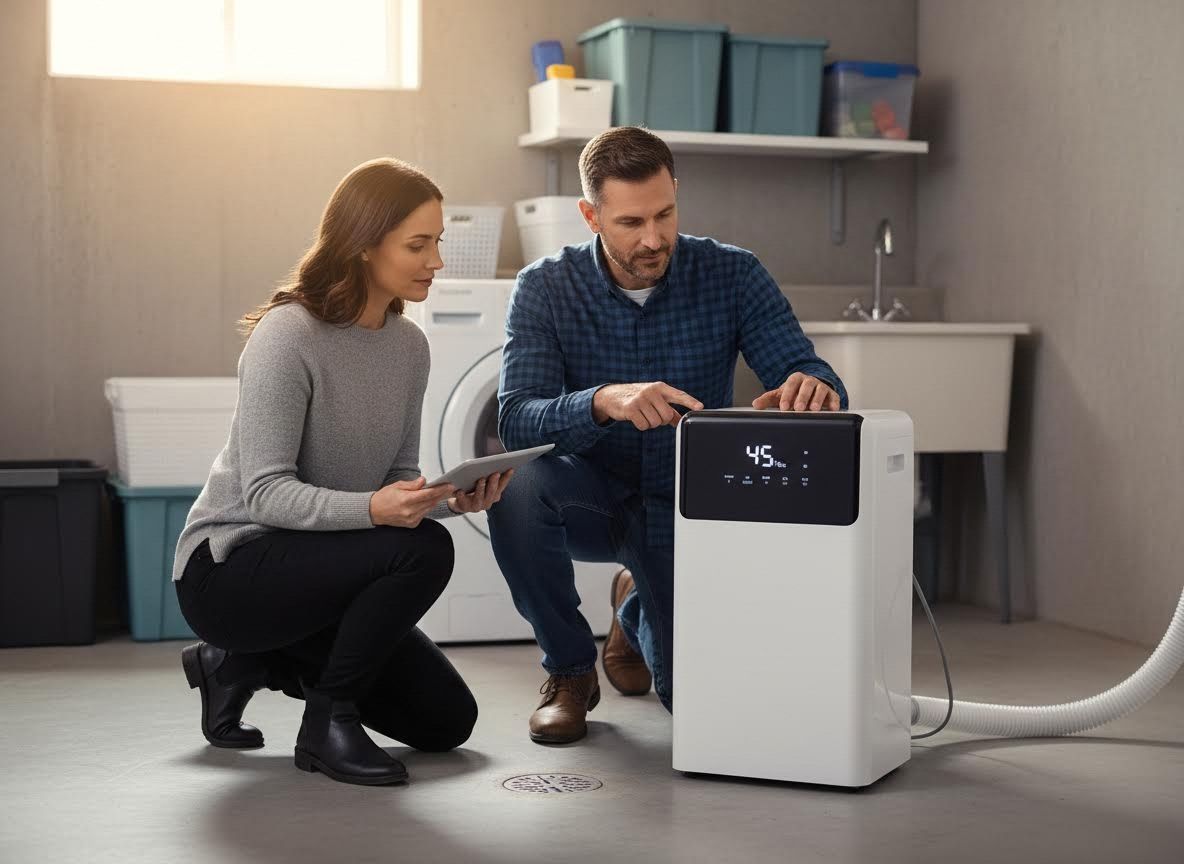
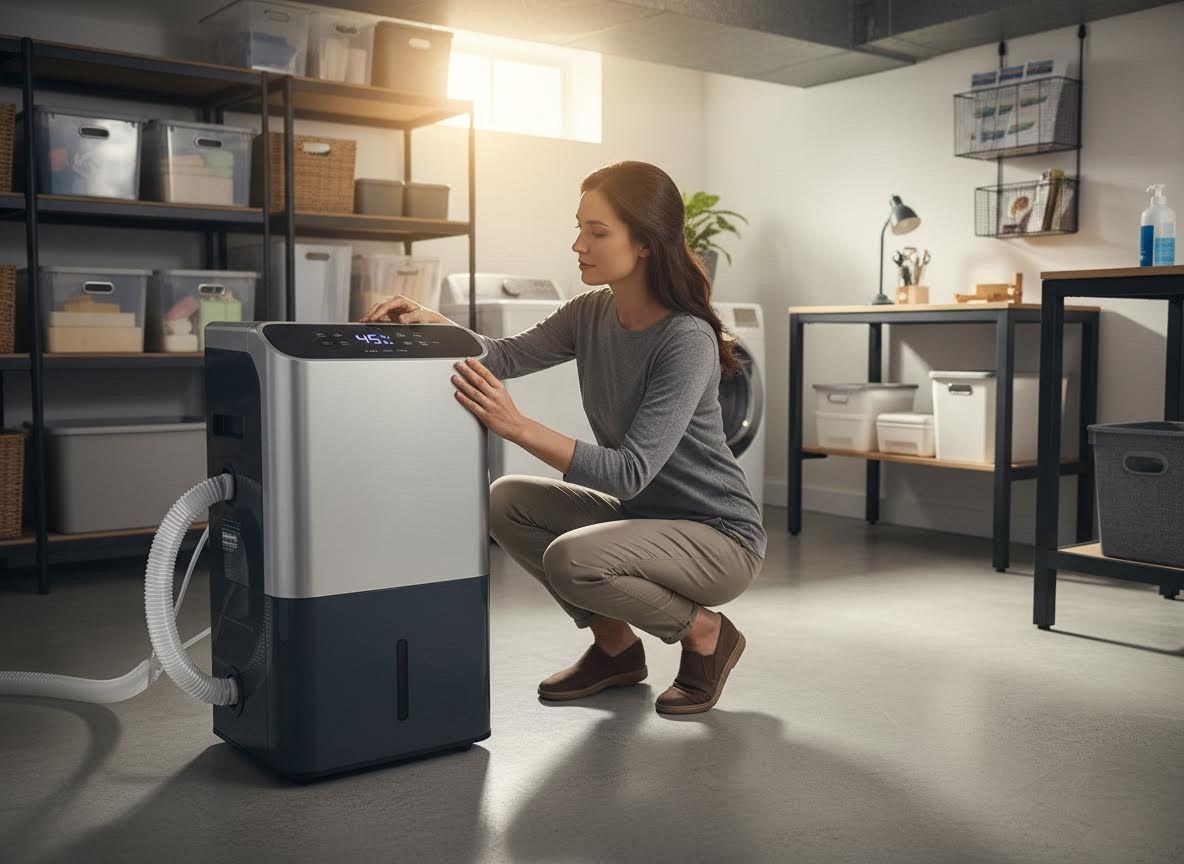
Beyond capacity, several features contribute to a dehumidifier's effectiveness and convenience. Look for units with an adjustable humidistat, which allows you to set your desired humidity level, typically between 40-50% relative humidity. The unit will then cycle on and off automatically to maintain this level, saving energy. Continuous drainage is another critical feature for basements. Instead of constantly emptying a collection bucket, you can connect a hose to the unit, allowing it to drain directly into a floor drain or utility sink. This feature is a game-changer for hassle-free, continuous operation. Lastly, consider Energy Star certified models. These units are more energy-efficient, which can lead to significant savings on your electricity bill over time, especially since dehumidifiers often run for extended periods.
Strategic Placement and Maintenance for Longevity
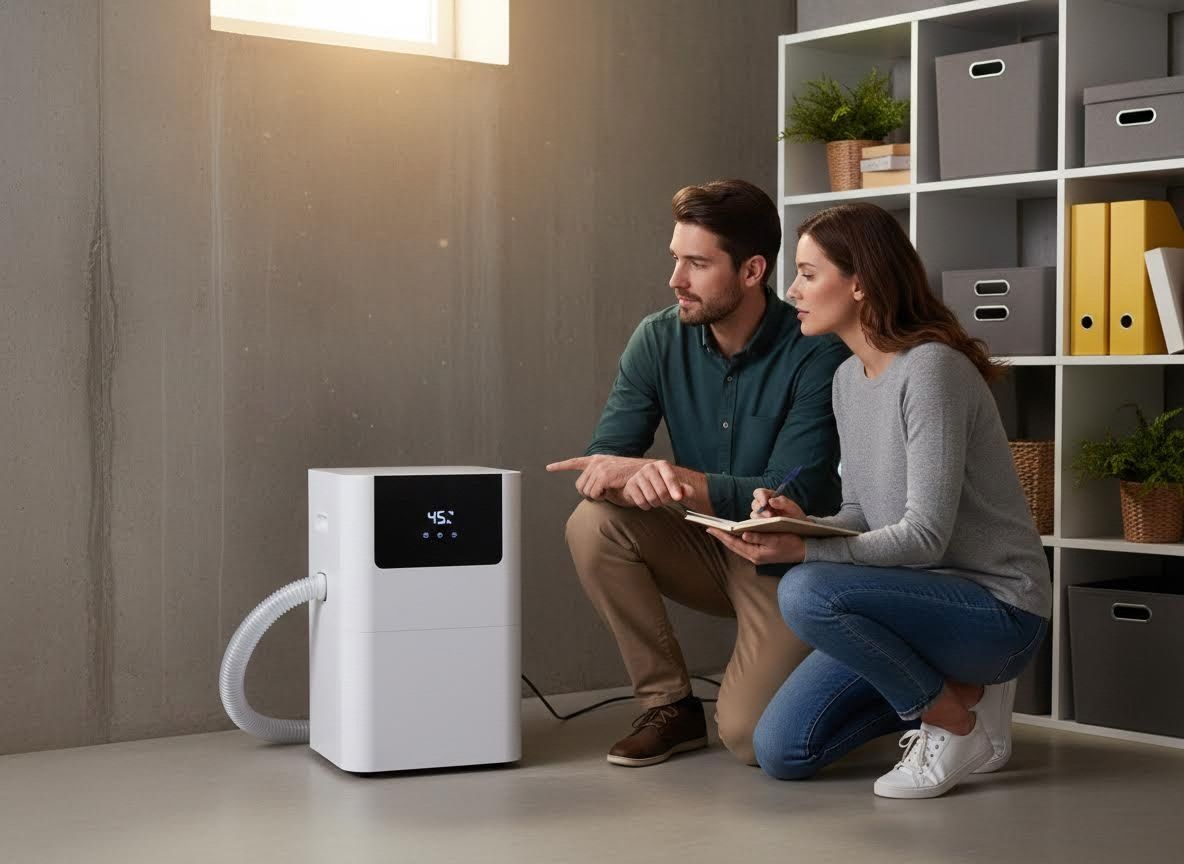
Once you've selected your dehumidifier, its placement and routine maintenance are crucial for maximizing its performance and lifespan. Position the unit in the center of the basement or in the dampest area, away from walls and obstructions, to allow for optimal airflow. Ensure there's adequate space around all sides for air intake and exhaust. Regular cleaning of the air filter is essential, typically every 1-2 months, or more often if the basement is particularly dusty. A clogged filter can reduce efficiency, increase energy consumption, and put undue strain on the unit. Additionally, if your unit has a collection bucket, clean it periodically to prevent mold or mildew growth.
Protecting Your Home's Foundation and Health
Choosing the right basement dehumidifier is an investment in your home's structural integrity, the longevity of your belongings, and the health of your indoor environment. By considering your basement's specific needs, prioritizing essential features like continuous drainage and an adjustable humidistat, and committing to proper maintenance, you can effectively combat excess moisture. Understanding these factors ensures your choice provides long-term relief from dampness and its associated problems. For further insights into comprehensive moisture management and tailored solutions, we invite you to explore the resources available through North Star Moisture Solutions LLC.