A comprehensive moisture inspection is far more than a quick look around; it's a critical process designed to uncover hidden water damage, assess the extent of moisture intrusion, and identify the root causes of the problem. For homeowners and property managers alike, understanding the depth of this service is essential for maintaining a healthy and structurally sound environment. At North Star Moisture Solutions LLC, we recognize that proactive identification and resolution of moisture issues are paramount to protecting your property's integrity and occupants' well-being.

Initial Assessment and Visual Inspection
The first step in any comprehensive moisture inspection involves a thorough visual assessment of the property. Inspectors meticulously examine both the interior and exterior for visible signs of moisture, such as water stains, peeling paint, warped wood, or visible mold growth. They will also look for potential entry points for water, including roof damage, faulty gutters, cracks in the foundation, or poorly sealed windows and doors. This initial phase helps to narrow down areas of concern and guides the subsequent, more detailed investigation, ensuring no easily observable indicators are overlooked.
Utilizing Advanced Diagnostic Tools
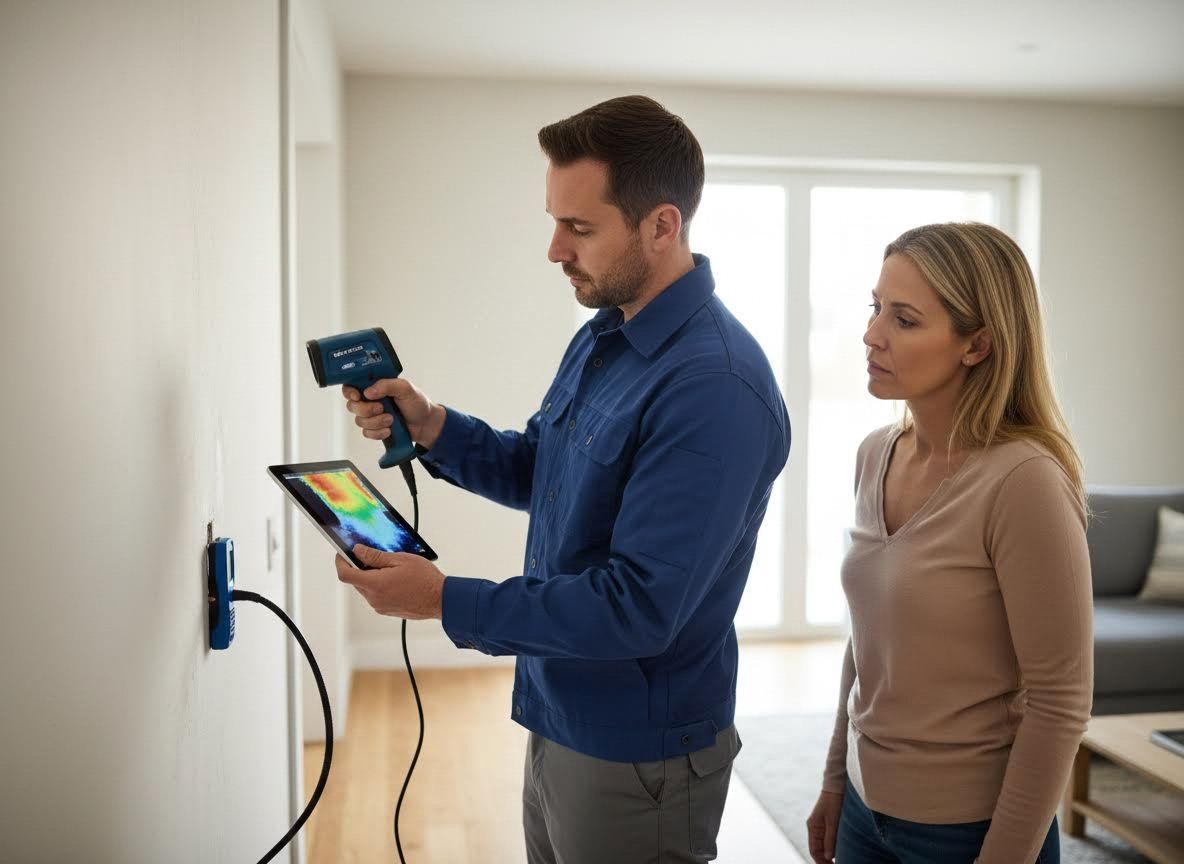
Beyond what the eye can see, professionals rely on specialized equipment to detect hidden moisture and understand its behavior within building materials. Moisture meters, both pin-type and pinless, are used to accurately measure the moisture content in various surfaces, from drywall to wood and concrete. Thermal imaging cameras (infrared cameras) are indispensable for identifying temperature differences that often indicate the presence of hidden moisture, as evaporative cooling makes wet areas appear cooler than dry ones. Hygrometers measure relative humidity levels indoors, which can signal high moisture problems if not properly managed, while boroscopes allow for visual inspection within wall cavities without extensive demolition.
Pinpointing Sources and Assessing Impact
A key component of a comprehensive inspection is not just finding moisture, but also determining its origin and how far it has spread. This involves tracing the path of water from its entry point to affected areas. Is the moisture coming from a plumbing leak, a roof leak, condensation issues, or a rising damp problem? Understanding the source is crucial for effective remediation. Furthermore, the inspection will assess the impact of the moisture, evaluating potential structural damage, identifying areas susceptible to mold growth, and considering the implications for indoor air quality. This detailed analysis ensures that all aspects of the problem are understood.

Detailed Reporting and Remediation Recommendations
The culmination of a comprehensive moisture inspection is a detailed report outlining all findings. This report typically includes photographic evidence, moisture readings, thermal images, and clear explanations of any identified moisture sources and affected areas. Crucially, it will also provide actionable recommendations for remediation. These recommendations might include specific repairs to prevent future intrusion, drying protocols for affected materials, and strategies for mold prevention or removal if necessary. The goal is to provide a clear roadmap for resolving the moisture issues and restoring the property to a healthy condition.
Understanding the components of a comprehensive moisture inspection empowers you to take decisive action against potential water damage and its detrimental effects. By employing a systematic approach and advanced tools, these inspections go beyond surface-level observations to uncover and address the root causes of moisture issues. If you suspect moisture problems in your property, learning more about professional inspection and remediation services can provide the clarity and solutions needed to protect your investment and well-being.